
Investor back office and tokenization · Houston

Open your deals to everyday investors. We run the back office.

Raise from hundreds of smaller investors alongside your accredited ones. Humari sets up the digital shares, then handles onboarding, payouts, investor questions and tax form data, so your team never has to.

Reg CF · everyday investorsReg D 506(c) · accredited investorsReg D 506(b) · private placementsReg A+ · larger public raises

One back office for every lane. Most deals pair Reg CF with 506(c), for example smaller investments through Reg CF and larger accredited investments through 506(c). US investors only.

No crypto needed. Investors pay and get paid in US dollars.

One asset400 ownersOne record
What we run for you

You find and run the deal. We handle every investor after the handshake.

  • OnboardingSign up, ID checks and documents
  • PayoutsBatch distributions to verified accounts
  • Investor supportQuestions answered in US hours
  • K1 dataPrepared for your CPA every year
  • ReportingInvestor updates and Reg CF annual reports

A sponsor working late at a desk stacked with paperwork
The problem

A $5,000 investment takes the same paperwork as a $500,000 investment.

So most sponsors simply say no to smaller investors. The demand is there, but the paperwork costs more than the investment, and the tools to handle it didn't exist.

SpreadsheetsHundreds of owners tracked by hand
Endless emailDocuments, signatures and questions chased one by one
Wire fraudFake payment instructions sent by email
The idea

Split one asset into many small shares.

Tokenization records ownership digitally, so a building or a business can have hundreds of owners on one clean record.

One property, $7MGas station, retail stores and land
700 shares$5,000 each, $3.5M raised from investors
240 ownersEach paid by shares held

A nurse on her break checking her phone
The nurse buying her first $5,000 share
A bakery owner holding a tray of fresh pastries
The baker investing in her own city
A young family planning together at the kitchen table
The family owning part of a local deal together
Dane Manji

Private markets were built for the few. Tokenization finally makes it practical to welcome smaller investors without burying sponsors in paperwork. My teams already run secure operations for regulated businesses. Humari points that experience at one goal: opening good deals to more investors.

Dane Manji CEO

Good deals should not be reserved for the few.
Why tokenize

What tokenization does for everyone at the table.

A new pool of investorsWelcome hundreds of everyday investors, not just a few wealthy ones.
Bigger raisesPair Reg CF with Reg D 506(c) to take small and large investments in one deal.
Faster raisesInvestors sign up online in minutes, and returning investors join new deals faster.
Built in complianceHolding periods and transfer rules are enforced by the shares themselves.
Live cap tableEvery owner and every share, always current. No spreadsheets.
Automatic payoutsOne batch to verified accounts instead of hundreds of wires.
Audit ready recordsEvery signature, payment and transfer logged in one place.
Reuse every setupEach new deal starts from the same platform and the same verified investors.
Lower admin costNo team to hire and train for hundreds of smaller investors.

Investor benefits depend on each offering's terms. Returns are never guaranteed, and shares can only be sold where the rules allow and a buyer exists.

Frequently asked questions

Questions people ask.

See all questions →
Is this crypto?

No. Investors buy regular shares in a real asset and pay in US dollars by bank transfer. The technology simply keeps the ownership record secure and up to date.

Who holds investor money?

Never Humari. Funds go to a third party escrow agent or your own accounts, and payouts require two person approval.

Is Humari licensed?

Humari is a technology and administrative service provider, not a broker dealer, funding portal, investment adviser or transfer agent. Regulated steps run through licensed partners and your counsel.

How many investors do we need?

There is no hard minimum. Full service works best from about 25 investors per deal, and your existing investors count. Smaller deals can start with add ons like payout files or K1 data, then move to full service as they grow.

How it works

You do the deal. We handle everything after the handshake.

Two people shaking hands over a signed agreement

1 · Configure

Token, investor portal and documents set up with your counsel.

2 · Onboard

Investors verify once. We handle signatures and payments.

3 · Operate

Distributions, reporting and investor questions, every month.

How every investor gets verified

KYC means Know Your Customer. Before anyone invests, the law requires confirming they are a real person, who they say they are, and not on a sanctions list. It protects your deal from fraud and money laundering. It takes most investors about five minutes, and it all happens online.

  1. 1Sign upName, address and tax ID or ITIN
  2. 2Verify identityPhoto ID plus a live selfie match, in minutes
  3. 3ScreeningSanctions and fraud checks, known as AML (anti money laundering)
  4. 4AccreditationReg D 506(c) deals only: income, net worth or a CPA letter
  5. 5Sign and fundDocuments signed online, funds to escrow, shares issued

Verified once. Returning investors join the next deal without starting over.

Who does what

SponsorHumariLicensed partners
Find the deal and set terms✓
Offering documentsYour counselFormats them for the portal
Marketing the raise✓Funding portal for Reg CF
Tokenization and investor portal✓
Investor onboarding and KYC✓
Holding investor moneyEscrow agent or bank
Payouts, reporting, investor support✓
Approving payouts✓Prepares the batch

What our team handles

  • A dedicated investor relations assistant
  • Investor onboarding from sign up to funding
  • Payment matching and distributions
  • Quarterly updates and K1 coordination
Repeat investors

Investors who come back.

Once verified, investors can join each new deal as it opens, without starting over. Some choose to invest in new deals regularly, and every investor picks the deals they want.

Illustrative. Investors choose every deal themselves, within their annual investment limits. Returns, if any, depend on each offering's terms and are never guaranteed.

Plain English

The words you will hear, explained.

Tokenization
Recording ownership of an asset as digital shares, so many people can own a piece on one record.
Cap table
The list of who owns how many shares. Ours updates live.
Escrow
A neutral third party that holds investor money until the raise closes. Never Humari.
Reg D 506(c)
A raise open only to accredited investors, who can be advertised to publicly.
Accredited investor
Someone who meets SEC income or net worth tests, roughly $200K a year or $1M excluding their home.
K1
The tax form each owner of a partnership receives every year. We coordinate the data with your CPA.
What you can bring us

If it earns income, it can be split into shares.

Sample share sizes. Your counsel sets the real terms.

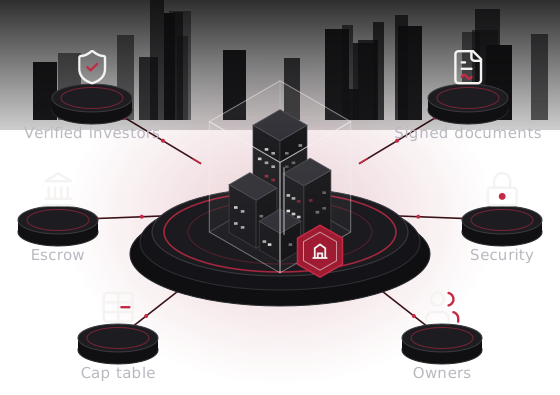
An income producing building secured in a glass vault on a ledger platform, connected to verified investors, escrow, the cap table, signed documents, security and owners
  • Gas stations and convenience stores$500
  • Shopping centers$1,000
  • Hotels$1,000
  • Warehouses and industrial$1,000
  • Flex office space$1,000
  • Apartments and multifamily$1,000
  • Self storage$500
  • Private equity funds$5,000
  • Business acquisitions$2,500
  • Texas mineral royalties$250
  • Private credit$500
  • Battery storage$1,000
Frequently asked questions

Questions people ask.

See all questions →
What does Humari actually do?

We set up the tokenized version of your offering, onboard and verify every investor, and run the back office: payment matching, distributions, reporting and investor questions. You run the deal and keep the relationship.

How long does setup take?

Most deals open to investors about four weeks after kickoff, and a full raise typically runs about ten weeks. Your counsel's document review usually sets the pace.

What kinds of assets work best?

Anything that earns regular income: gas stations, shopping centers, hotels, warehouses, flex office, apartments, private equity funds, private credit and more. See the full list on How it works.

What is KYC?

Know Your Customer: confirming each investor is a real person, who they say they are, and not on a sanctions list. It takes about five minutes online. See the full steps on How it works.

The platform

Built on proven, award winning infrastructure, branded as yours.

Your deal runs on a proven tokenization platform built for regulated securities, from our technology partner. It is already used by asset owners in more than 40 countries, and your investors only ever see your brand.

Built for regulated securities
Permissioned tokens · verified investors · audit ready records
Branded investor portalHoldings, documents and payouts in one place
Rules inside the tokenEligibility, holding periods and transfer limits enforced automatically
E signaturesSubscription documents signed and logged online
Live cap tableEvery owner, every share, always current
Dollar paymentsBank payment integrations for US investors
Secondary trading readyCan connect to regulated trading venues later
What your investors see

A portal with your name on it.

Holdings, documents and payouts in one place, on any device. No crypto wallet to manage.

Illustrative design with sample names and figures. Your portal carries your brand.

Harder to steal than paper and email

  • Approved wallets only
  • Stolen shares frozen and reissued
  • Two person payout approval
  • Payout accounts verified by callback
Secure offices

Your investor data stays locked down.

Our teams work from controlled offices run by Global Office Source, our sister company, which builds secure offshore offices for regulated industries. Security is designed in at every layer: the building, the desk, the network and the people.

Controlled entryBadge access to work floors, visitor logs and cameras on entry points.
Clean desk, no phonesNo personal phones, paper or bags at workstations that handle client data.
Locked down computersUSB ports, printing and downloads disabled. Screens lock automatically.
Encrypted connectionsWork happens over encrypted connections to your systems. Client files are not stored on local machines.
Vetted, trained staffBackground checks, signed NDAs and regular security and confidentiality training.
Least access, full logsEach person sees only what their role needs. Access is logged and can be revoked at any time.

No system can promise zero risk. We reduce it at every layer, monitor continuously and have a response plan ready. Ask us for our security overview.

Under the hood

The technology, in plain terms.

Your asset stays the same. What changes is the record: one secure, shared ledger that enforces the rules for every share.

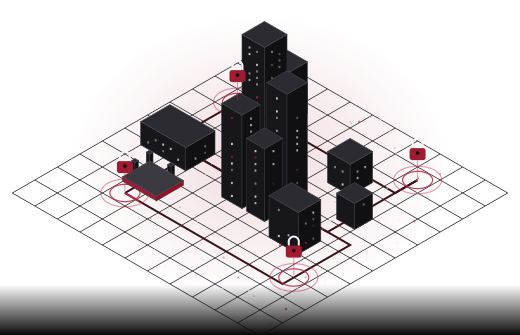
Buildings on a shared, secured ledger network
Blockchain
Widely used public networks such as Ethereum and Polygon, chosen for each deal with your counsel.
Permissioned tokens
Security tokens that only verified, approved wallets can hold or receive. Holding periods and transfer limits are enforced in code.
Investor wallets
A wallet is created for each investor during sign up, so no crypto experience is needed.
Custody
Custody options, including regulated custodians, are set for each deal.
Payments
Investors pay and receive distributions in US dollars through bank integrations.
Due diligence
Platform security and smart contract details are provided for your counsel's review before launch.
Experience behind Humari

Our partners, affiliates and advisory board have done this before.

2018Our partners tokenizing assets since
40+Countries served
~200Asset owners served by our partners
$100M+In assets tokenized by our partners
A US real estate marketplace

A white label client built a multi property investment platform under Wyoming law, with more than 100 properties signed up to list.

A Miami hotel and residences tower

A 529 unit downtown tower was tokenized and listed for trading on a US venue run through a FINRA member broker dealer.

A regulated secondary market

The platform powers a trading venue for tokenized real estate, so investors can sell their shares instead of waiting years for an exit.

Figures and projects reflect work by Humari's technology partner, affiliates and advisory board members, as reported in 2025. They are not Humari's own track record.

Supports Reg CF and Reg D 506(c) as standard, plus 506(b) and Reg A+ on request. The platform records and enforces ownership. Your counsel, transfer agent and registered funding portal handle the regulated steps.

How you can raise

Two lanes in every deal. One back office for both.

Everyday investors come in through Reg CF, and accredited investors through Reg D 506(c). For example, a deal might take $5,000 investments through Reg CF and $50,000 investments through 506(c). Other structures are available when a deal needs them.

Reg CFEveryday investorsUp to $5M a year
Reg D 506(c)Accredited investors onlyNo raise limit · advertise publicly · accreditation verified
Reg D 506(b)Accredited investors, plus up to 35 non-accreditedNo raise limit · no public advertising
Reg A+Everyday investorsUp to $75M a year

Bars compare yearly raise limits. Most deals use Reg CF and 506(c) together. 506(c) lets you market the deal openly, as long as every investor is a verified accredited investor. Reg CF runs through a registered funding portal, and many sponsors pair it with Reg D 506(c) in the same deal.

Frequently asked questions

Questions people ask.

See all questions →
Will the investor portal carry our brand?

Yes. Your logo, colors and domain. Investors see your firm, with Humari working in the background.

What if an investor loses access or shares are stolen?

Ownership is tied to the verified investor, not just a wallet. Lost or stolen shares can be frozen and reissued to the rightful owner.

How is investor data protected?

Identity documents are collected inside the secure investor platform, never by email. Access is limited, data is encrypted in transit, and our teams work from secure offices.

Can investors outside the US join?

Not right now. Humari currently serves US investors only.

Fit and pricing

Built to grow with your investor base.

Full service works best from about 25 investors per deal, and your current investors count. Smaller deals can start with add ons. Bring the investors you already have, add new ones with each deal, and run them all from one back office. The more owners across your deals, the more the work of onboarding, paying and reporting grows, and the more automation saves. A single deal can scale to thousands of investors.

Time your team saves Manual admin With Humari First investorsHundreds of investors Admin effort

Illustrative. Manual work grows with every investor you add. With Humari it stays low from your first investor, and the time saved keeps growing.

A great fit for

  • 25 or more investors, counting the ones you already have
  • Existing deals ready to move current investors onto digital shares
  • Repeat deals, where verified investors carry over
  • Regular distributions over several years
  • Smaller investments alongside large ones
What your team sees

Your raise and your investors, at a glance.

This is what our fees cover: live raise progress, verification status, the cap table and payouts ready for approval.

Illustrative design using the sample case study. Not a real offering.

Ways to work with us

Three ways to work with us.

Start with one and add the others as you grow.

01Tokenize your existing deals

Move the ownership records and payouts for deals you already run onto one live platform, with a dashboard for every investor.

One time migration fee + monthly platform fee
02Run new Reg CF and Reg D

Open your next deal to everyday investors alongside your accredited ones. We run the back office for every new investor: onboarding, payouts, questions and tax form data.

Full service · monthly per deal
03Add ons

Pick only what you need: payout files, K1 data for your CPA, investor support in US hours and Reg CF annual report support.

Priced per service

Moving an existing deal onto the platform may need an amendment to its operating agreement and investor consent, handled by your counsel.

01Setup per offering

One fee to configure the token, investor portal, documents and payment flows for each deal.

02Per investor onboarding

Charged for each new investor. Returning investors cost less, since they are already verified.

03Monthly per active deal

Covers distributions, reporting, investor support and platform upkeep while the deal runs.

04Optional add ons

A dedicated investor relations assistant, secure operations and in office education sessions.

Flat, predictable fees. Never a percentage of your raise. Pricing depends on investor count and deal complexity, and repeat clients pay less on each new deal.

Get your quote → See how onboarding works →
Get your quote

Your price, for your deal.

Every deal is different, so we price yours exactly. Answer a few quick questions and Dane will send a flat fee quote, with no percentage of your raise.

  • No obligation
  • Flat fees, in writing
  • Reply within two business days

* Required. By sending, you agree to our Privacy Policy.

Frequently asked questions

Questions people ask.

See all questions →
How is pricing structured?

Flat fees: a setup fee per offering, a fee per new investor onboarded, and a monthly fee per active deal. Never a percentage of your raise.

How many investors do we need?

There is no hard minimum. Full service works best from about 25 investors per deal, and your existing investors count. Smaller deals can start with add ons like payout files or K1 data, then move to full service as they grow.

Can we run more than one deal?

Yes. Investors verified for your first deal can join the next one without starting over, and repeat clients pay less on each new deal.

Can you move our existing deals onto the platform?

Yes. We migrate the ownership records and payout history for deals you already run, for a one time fee per deal plus a monthly platform fee. Your counsel handles any amendment or investor consent the deal needs.

Do you raise the money for us?

No. Humari does not find, solicit or advise investors, and does not sell securities. You market your own deal, with a licensed funding portal or broker dealer where the offering type requires one.

Illustrative example · not a real offering

A $7M Houston gas station and retail center, funded by everyday investors.

240investors on one cap table

Where the $7M comes from

Bank debt $3.5M Reg D 506(c) $2.5M Reg CF $1.0M $7M total project
Bank debt$3.5M
Reg D 506(c)$2.5M
Reg CF$1.0M

Most investors are micro investors

0100200 40 200 Reg DReg CF

40 accredited investors at about $62,500 each. 200 micro investors at $5,000 each.

Payouts each quarter

Without tokenization 240 wires With Humari 1 batch

One batch to verified accounts instead of 240 separate wires.

ConfigureWeeks 1 to 3 RaiseWeeks 4 to 9 Close and issueWeek 10 PayoutsEvery quarter

Hypothetical example showing how a combined Reg D 506(c) and Reg CF raise can be structured. Not an offer, not a real company, and no returns are shown or implied.

Frequently asked questions

Questions people ask.

See all questions →
What is the minimum investment?

Each firm sets its own. Many deals open to smaller investments, and our case study uses $5,000 shares.

Do investors need to be accredited?

It depends on the offering. Reg D 506(c) is for accredited investors only. Reg CF and Reg A+ are open to everyday investors, within annual investment limits.

Can investors sell their shares later?

Transfer rules depend on the offering type and holding periods. For example, Reg CF shares generally cannot be resold for one year. Shares can be structured to connect to a regulated trading venue later.

How do investors get paid?

Distributions go to each investor's verified bank account on the schedule set in the offering documents, in one batch instead of hundreds of wires.

Dane Manji, CEO of Humari, in a dark suit
The person behind it

Dane Manji

CEO · Houston, Texas

Dane builds companies where new technology meets real operations.

He built Global Office Source, secure offshore office teams for regulated industries, and EA Nerd, which trains software engineers into AI assisted executive assistants and automation specialists. He also helps businesses strengthen their cybersecurity hygiene, the everyday controls that stop most breaches, like tight access, trained staff and safe handling of sensitive data. And he is building on demand pay, so employers can pay their workers the same day the work is done.

Humari brings it all together: outsourcing, AI, blockchain and cybersecurity, pointed at one goal. Open private deals to more people, and make them easier and safer to run.

Our mission

Open good private deals to everyday investors, and make them simple and safe to run.

OpenA $5,000 investor deserves the same seat as a $500,000 one.
SimplePlain English, flat fees and one point of contact.
SecureVerified investors, protected data and no money in our hands.

Guided by experienced advisors

Capital markets and tokenizationMore than 22 years in institutional capital markets at global banks in London, New York and Singapore. Tokenizing real world assets since 2018, including leading the blockchain division of a stock exchange.
Securities lawA securities and capital markets attorney focused on real world asset tokenization, crowdfunding, investment funds and M&A.
A team in Humari shirts reviewing a screen together
Our team

Real people answer your investors.

Trained teams in secure offices handle onboarding, questions and payouts every day, so your partners never have to.

Frequently asked questions

Questions people ask.

See all questions →
Is Humari licensed?

Humari is a technology and administrative service provider, not a broker dealer, funding portal, investment adviser or transfer agent. Regulated steps run through licensed partners and your counsel.

Do you raise the money for us?

No. Humari does not find, solicit or advise investors, and does not sell securities. You market your own deal, with a licensed funding portal or broker dealer where the offering type requires one.

Who holds investor money?

Never Humari. Funds go to a third party escrow agent or your own accounts, and payouts require two person approval.

Who handles K1s and tax forms?

We prepare the investor and distribution data and coordinate with your CPA, who issues the forms. We do not give tax advice.

Resources

Articles, news and examples.

Plain English on tokenization, private markets and investor operations.

News

What is happening in tokenization.

Curated headlines, updated November 3, 2026. Links open the original source.

  1. Dozens of large companies, including Nvidia and Nike, object to having their shares tokenized on the planned OKX and ICE marketplace.

    Coinpaprika
  2. Tokenized stocks on Solana pass 1.5 million holder addresses, up about fivefold since August.

    The Cryptonomist
  3. The SEC adopts a five year innovation exemption that lets approved venues trade tokenized versions of listed stocks.

    Hunton Andrews Kurth
  4. DTCC runs its first live tokenized stock and Treasury trades with nearly 40 institutions, including BlackRock, JPMorgan and Goldman Sachs.

    Stablecoin Insider
  5. The SEC approves Nasdaq's rule to trade tokenized shares on the same order book as traditional shares.

    Dechert
The monthly brief

One short email a month.

New articles, the tokenization news that matters, and lessons from real deals. No spam.

Frequently asked questions

Questions people ask.

See all questions →
Is this the same as tokenized stocks?

Related, not the same. Tokenized stocks are digital versions of public company shares. We apply the same idea to private deals, where the paperwork savings are much bigger. Read our article in Resources.

Is this crypto?

No. Investors buy regular shares in a real asset and pay in US dollars by bank transfer. The technology simply keeps the ownership record secure and up to date.

What does Humari actually do?

We set up the tokenized version of your offering, onboard and verify every investor, and run the back office: payment matching, distributions, reporting and investor questions. You run the deal and keep the relationship.

Can investors sell their shares later?

Transfer rules depend on the offering type and holding periods. For example, Reg CF shares generally cannot be resold for one year. Shares can be structured to connect to a regulated trading venue later.

← Resources Article · November 3, 2026 · 6 min read

How the stock market is being tokenized

For years, tokenization was something startups talked about. In 2026, the largest institutions in US markets started doing it. Here is what happened, in plain English.

What a tokenized stock is

A tokenized stock is a share recorded on a blockchain instead of only in a traditional database. Done properly, it is the same share: the same company, the same ticker and CUSIP number, the same voting and dividend rights. Only the record keeping changes.

That is different from a synthetic token, which only tracks a stock's price and gives you no actual ownership. The difference matters, and the new US rules only cover the real thing.

What changed in 2026

  1. SEC staff gave DTC, the central record keeper behind US stock trades, permission to run a three year tokenization pilot for large company stocks, major index ETFs and US Treasuries.

  2. The SEC approved Nasdaq's rule letting tokenized shares trade on the same order book as regular shares, with the same priority and the same shareholder rights.

  3. DTCC ran its first live tokenized trades, including Microsoft shares, S&P 500 and Nasdaq 100 ETFs and Treasury bonds, with nearly 40 institutions taking part.

  4. The SEC adopted a five year innovation exemption that lets approved venues trade tokenized versions of listed stocks, with public smart contracts, volume caps and disclosure rules.

  5. Adoption grew fast. Tokenized stocks on Solana passed 1.5 million holder addresses. At the same time, dozens of large companies objected to having their shares tokenized on a new marketplace without their involvement.

Why Wall Street cares

  • Markets that never close. Tokens can move between firms outside normal market hours.
  • Collateral that moves in minutes. Big banks can pledge and return securities faster, which frees up cash.
  • Smaller slices. Ownership can be split into fractions more easily.
  • One shared record. Fewer reconciliations between firms that each keep their own books.

Not every promise has arrived yet. Nasdaq's version, for example, still settles on the normal one day cycle. Much of the early value is behind the scenes, in how institutions move collateral.

The pushback

Companies want a say in how their shares are represented. When a new venue proposed tokenizing well known stocks, firms including Nvidia, Nike and Microsoft filed objections. Holder counts also need care: they count wallet addresses, and one person can hold several. Expect rules and practices to keep changing.

What it means for private deals

If the most regulated market in the world is moving its records onto this technology, the case for using it in private deals is even stronger. A public stock already has brokers, exchanges and transfer agents. A private gas station, warehouse or hotel deal usually has spreadsheets and email.

That is where tokenization saves the most work: onboarding hundreds of smaller investors, enforcing who can hold shares, and paying everyone in one batch. It is the gap Humari was built to fill.

Thinking about opening your next deal to more investors?

Talk to Dane →

Sources

General information only, not investment, legal or tax advice. Humari is not affiliated with the companies or venues named.

Frequently asked questions

Questions people ask.

See all questions →
Is this the same as tokenized stocks?

Related, not the same. Tokenized stocks are digital versions of public company shares. We apply the same idea to private deals, where the paperwork savings are much bigger. Read our article in Resources.

Is this crypto?

No. Investors buy regular shares in a real asset and pay in US dollars by bank transfer. The technology simply keeps the ownership record secure and up to date.

Is Humari licensed?

Humari is a technology and administrative service provider, not a broker dealer, funding portal, investment adviser or transfer agent. Regulated steps run through licensed partners and your counsel.

Who holds investor money?

Never Humari. Funds go to a third party escrow agent or your own accounts, and payouts require two person approval.

FAQ

Questions, answered.

Everything sponsors, general partners and investors ask us most. Still unsure? Ask Dane directly.

For sponsors and general partners

What does Humari actually do?

We set up the tokenized version of your offering, onboard and verify every investor, and run the back office: payment matching, distributions, reporting and investor questions. You run the deal and keep the relationship.

Do you raise the money for us?

No. Humari does not find, solicit or advise investors, and does not sell securities. You market your own deal, with a licensed funding portal or broker dealer where the offering type requires one.

What kinds of assets work best?

Anything that earns regular income: gas stations, shopping centers, hotels, warehouses, flex office, apartments, private equity funds, private credit and more. See the full list on How it works.

How many investors do we need?

There is no hard minimum. Full service works best from about 25 investors per deal, and your existing investors count. Smaller deals can start with add ons like payout files or K1 data, then move to full service as they grow.

How long does setup take?

Most deals open to investors about four weeks after kickoff, and a full raise typically runs about ten weeks. Your counsel's document review usually sets the pace.

Can we bring our existing investors?

Yes. We onboard your current investors onto the same record, so old and new holders sit on one cap table.

How is pricing structured?

Flat fees: a setup fee per offering, a fee per new investor onboarded, and a monthly fee per active deal. Never a percentage of your raise.

Can we run more than one deal?

Yes. Investors verified for your first deal can join the next one without starting over, and repeat clients pay less on each new deal.

Will the investor portal carry our brand?

Yes. Your logo, colors and domain. Investors see your firm, with Humari working in the background.

For investors

Is this crypto?

No. Investors buy regular shares in a real asset and pay in US dollars by bank transfer. The technology simply keeps the ownership record secure and up to date.

What is the minimum investment?

Each firm sets its own. Many deals open to smaller investments, and our case study uses $5,000 shares.

Do investors need to be accredited?

It depends on the offering. Reg D 506(c) is for accredited investors only. Reg CF and Reg A+ are open to everyday investors, within annual investment limits.

How do investors get paid?

Distributions go to each investor's verified bank account on the schedule set in the offering documents, in one batch instead of hundreds of wires.

Can investors sell their shares later?

Transfer rules depend on the offering type and holding periods. For example, Reg CF shares generally cannot be resold for one year. Shares can be structured to connect to a regulated trading venue later.

Can investors outside the US join?

Not right now. Humari currently serves US investors only.

What if an investor loses access or shares are stolen?

Ownership is tied to the verified investor, not just a wallet. Lost or stolen shares can be frozen and reissued to the rightful owner.

Compliance and security

Where does your team work?

From secure offices run by Global Office Source, our sister company: controlled entry, no personal phones at desks, locked down computers, encrypted connections and vetted, trained staff. See Secure offices on the Platform page.

Is Humari licensed?

Humari is a technology and administrative service provider, not a broker dealer, funding portal, investment adviser or transfer agent. Regulated steps run through licensed partners and your counsel.

Who holds investor money?

Never Humari. Funds go to a third party escrow agent or your own accounts, and payouts require two person approval.

How is investor data protected?

Identity documents are collected inside the secure investor platform, never by email. Access is limited, data is encrypted in transit, and our teams work from secure offices.

What is KYC?

Know Your Customer: confirming each investor is a real person, who they say they are, and not on a sanctions list. It takes about five minutes online. See the full steps on How it works.

Who handles K1s and tax forms?

We prepare the investor and distribution data and coordinate with your CPA, who issues the forms. We do not give tax advice.

Is this the same as tokenized stocks?

Related, not the same. Tokenized stocks are digital versions of public company shares. We apply the same idea to private deals, where the paperwork savings are much bigger. Read our article in Resources.

Client onboarding

From first call to first distribution in about 10 weeks.

Here is exactly what happens after you reach out, what we need from you, and what you get at each stage.

The path

Six steps, one point of contact.

  1. Week 0

    Discovery call

    A 30 minute call about your asset, raise size, offering type and how many investors you expect.

  2. Week 1

    Fit and proposal

    We confirm the fit, map which offering lanes make sense, and send a clear scope and fee proposal.

  3. Weeks 1 to 2

    Agreement and kickoff

    Service agreement signed. We hold a kickoff with your counsel and introduce the licensed partners your deal needs.

  4. Weeks 2 to 4

    Configure

    Branded investor portal, share structure, documents and payment flows set up and tested end to end.

  5. Weeks 4 to 9

    Investor launch

    You market the deal. We onboard every investor, run verification, collect signatures and match payments, with a weekly status report.

  6. Week 10 onward

    Close and operate

    Shares issued to verified investors. Distributions, reporting and investor support run every month.

Typical timeline. Your counsel's document review usually sets the pace.

What we need from you

  • Offering documents from your counsel
  • Your subscription agreement
  • Any existing investor list or CRM export
  • Escrow or bank account details
  • Logo and brand colors for your portal
  • One decision maker on your side

What you get

  • A branded investor portal
  • A dedicated investor relations assistant
  • A live cap table and data room
  • Weekly status reports during the raise
  • Distributions and quarterly reporting
  • Secure operations on every payout
Frequently asked questions

Questions people ask.

See all questions →
How long does setup take?

Most deals open to investors about four weeks after kickoff, and a full raise typically runs about ten weeks. Your counsel's document review usually sets the pace.

Can we bring our existing investors?

Yes. We onboard your current investors onto the same record, so old and new holders sit on one cap table.

Who answers investor questions?

A dedicated investor relations assistant trained on your deal, with anything outside logistics routed to your team.

Who holds investor money?

Never Humari. Funds go to a third party escrow agent or your own accounts, and payouts require two person approval.

Contact

Let's talk about your next deal.

Tell me about the asset and the raise. You will hear back from me, not a sales team.

About you

About the deal

0 / 1000

* Required. By sending, you agree to our Privacy Policy.

Talk to Dane → Chat on WhatsApp